Why This Matters Now
Modernizing the Definition of Apartheid in the Draft Crimes Against Humanity Treaty
Why This Matters Now
Negotiations at the United Nations on a new crimes against humanity (CAH) treaty offer a critical opportunity to modernize the definition of apartheid so it protects all victims of discriminatory regimes of oppression and domination.
The international legal definition of apartheid hasn’t been updated in decades — and it’s leaving victims out. The CAH treaty fails to capture the racist and patriarchal subjugation endured by Black South African and Namibian women under this oppressive system. The current apartheid definition in the CAH treaty fails to capture the racist and patriarchal subjugation endured by Black South African and Namibian women under apartheid. It also fails to reflect realities such as the Taliban’s systematic erasure of women, girls, and LGBTQI+ people in Afghanistan—described by advocates and UN experts as “gender apartheid.” It also could limit recognition of apartheid in other contexts, such as that committed against the Palestinian people.
This is because apartheid is defined as “domination by one racial group over another group or groups”, a formulation rooted in mid-20th-century understandings of race as biologically fixed, rather than as a social construction.
Victims such as Palestinians could be excluded from rigid interpretations of “racial groups” and Afghan women, girls and LGBTQIA+ victims could be ignored under a narrow apartheid provision.
The Apartheid convention recognized South African apartheid’s roots in colonialism, yet the Rome Statute and current draft CAH treaty obscure this history and the full scope of systematic oppression that victims experienced.
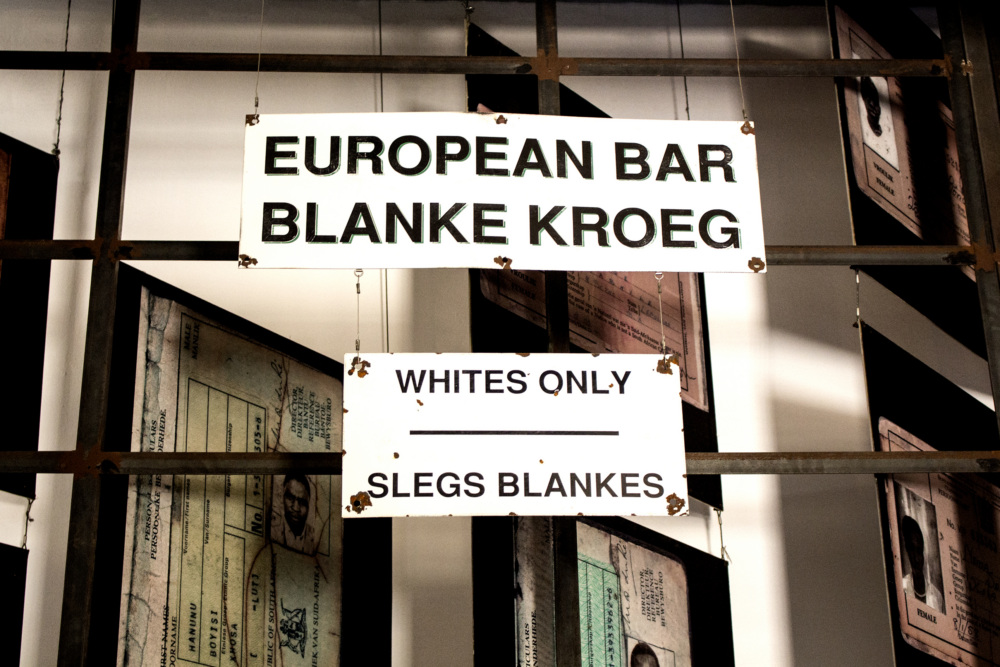
South Africa, Johannesburg - 30 March, 2016: Apartheid Museum sign next to the entrance. Exhibition is dedicated to regime apartheid and the 20th century history of South Africa. Artistic retouching.
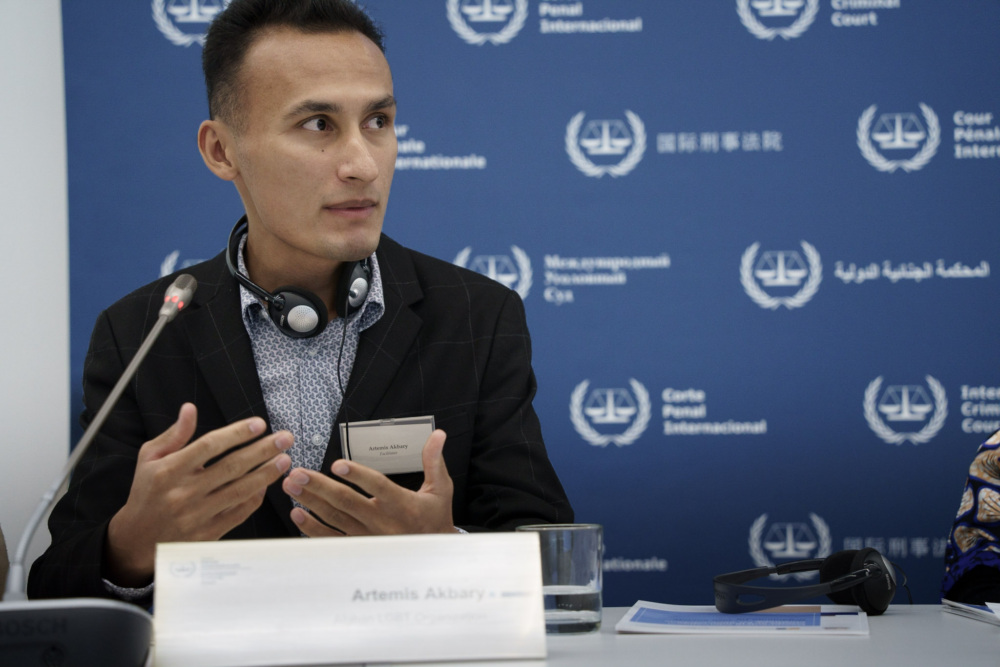
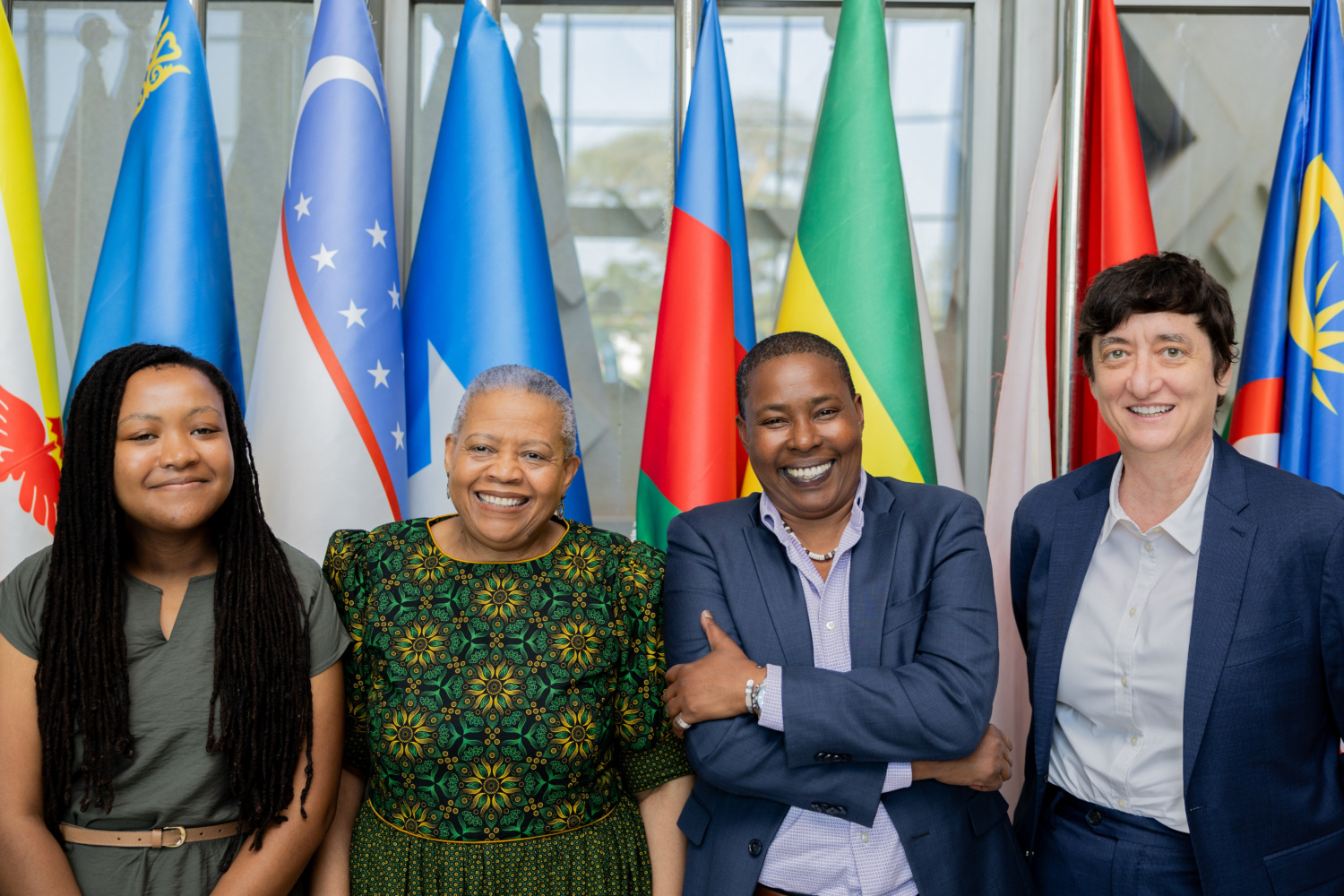
MADRE’s approach to revising the apartheid definition has been shaped directly by insights from partners across the Global South. A series of consultation held in Johannesburg and Pretoria South Africa, brought together South African, Namibian, Palestinian, Afghan and international advocates.
After extensive consultation with advocates across Africa and beyond, MADRE is proposing the following updated definition:
“The crime of apartheid means inhumane acts … committed in the context of an institutionalized regime of systematic discrimination, oppression and domination by one group over another group or groups, on race, gender, or other grounds of colonialist discrimination and committed with the intention of maintaining that regime.”
As States prepare submissions to the UN Secretary-General on the draft Crimes Against Humanity (CAH) treaty, due April 30, it is critical that the definition of apartheid reflect both its historical roots and contemporary manifestations.
We are calling on States to adopt this definition as a starting point for negotiation, ensuring that the CAH treaty reflects both historical realities and contemporary systemic discrimination and to:
Affirm recognition of contemporary apartheid, including in Palestine and Afghanistan, and recognize the experiences of groups historically overlooked, such as Black South African and Namibian women.
Re-anchor apartheid in its colonialist context, as envisioned in the 1973 Apartheid Convention, the Durban Declaration and Programme of Action, and echoed in African Union resolutions.
Promote constructive dialogue among African, European, and other States by integrating commitments to gender equality with recognition of the enduring legacies of colonialism.
For a comprehensive overview of the definition of apartheid see this law review article or watch our webinar.
We are organizing with civil society across continents to ensure the CAH Treaty’s apartheid provision reflects an inclusive definition of apartheid.
Engaging states and civil society
We are working directly with states, UN missions, and other civil society organizations to advance an inclusive, modern definition of apartheid.
Regional and international briefings
We have held six events in Africa and consultations across three continents, bringing together diplomats, UN experts, academics, and civil society leaders in affected communities. Read about our latest workshop in Johannesburg here. We have also provided expert testimony to key policy makers.
Advocacy at the African Commission on Human and Peoples’ Rights
In Banjul, we joined African human rights advocates, legal experts, and civil society at the 85th Ordinary Session of the African Commission on Human and Peoples’ Rights, to center African perspectives on apartheid, accountability and solidarity.
Expert convenings and survivor-centered dialogue
Those most impacted by apartheid—including Palestinians, Afghans, Namibians, South Africans, and others must be at the center of conversations on international criminal law.
History shows that determined, coordinated advocacy can shape international law.
Earlier drafts of the CAH Treaty contained a definition taken from the International Criminal Court (ICC) Statute. It described gender as the “two sexes, male and female, within the context of society,” leaving critical protections unclear and vulnerable to narrow interpretation.
Through strategic global mobilization led by MADRE and others, civil society organizations, academic partners, and allied states organized and pushed back.
The results were outstanding:
Nearly 600 organizations and academics from over 100 countries signed our open letter urging the International Law Commission to remove or revise the Rome Statute’s definition.
Over 30 UN Special Rapporteurs and other UN Experts signed a submission calling on the Commission to remove the outdated definition of gender from the draft treaty. A second submission called on the Commission to expand the grounds for persecution.
Dozens of governments echoed these calls, affirming that the treaty must reflect modern human rights law.
The result? The International Law Commission’s final recommended draft removed the outdated gender definition! Read more about how we won here.
This victory demonstrates that collective action works —we can shape language that truly protects people. History shows that when advocates organize, evidence wins, and law evolves.
Want to stay updated on the campaign? Email us at genderjustice@madre.org and we’ll keep you posted on key moments, actions you can take, and wins along the way.